
Alcohol use disorder affects millions of people and their families across the United States. In communities like Huntington, WV—long at the center of the Appalachian recovery conversation—the need for locally rooted, evidence-informed care has never been greater. Huntington Addiction Wellness Center (HAWC Recovery), located at 1236 5th Avenue, Huntington, WV 25701, is one of the area’s dedicated recovery resources, providing structured support for individuals ready to reclaim their lives from alcohol. This article outlines common signs of alcohol dependence, the health consequences of long-term use, and the programs and services HAWC Recovery offers to residents of Huntington and surrounding Cabell County.
What Are the Signs and Effects of Alcohol Addiction?
Alcohol use disorder (AUD) develops gradually. Early warning signs—such as an increased tolerance, difficulty cutting back, or continuing to drink despite consequences at work or home—can be easy to dismiss. Over time, however, these patterns can deepen into physical dependence, making professional support an important step for many people.
How Does Alcohol Addiction Impact Physical and Mental Health?
Long-term alcohol misuse can damage the liver (including cirrhosis and alcoholic hepatitis), strain the cardiovascular system, suppress the immune system, and contribute to several cancers, according to the National Institute on Alcohol Abuse and Alcoholism (NIAAA). The mental health effects are equally significant: alcohol worsens anxiety and depression, disrupts sleep, and reduces overall emotional regulation. It is also worth noting that many individuals struggling with alcohol use also live with co-occurring mental health conditions—such as depression, anxiety disorders, or post-traumatic stress disorder—a reality that shapes how effective treatment needs to be delivered.
What Are Common Symptoms Indicating Alcohol Dependence?
Recognizing these signs early is the first step toward seeking help:
- Strong, recurring urges to drink: A persistent craving that is difficult to ignore or control.
- Continued use despite negative consequences: Drinking even when it causes problems at work, in relationships, or with physical health.
- Growing tolerance: Needing more alcohol to achieve the same effect, which signals physical adaptation.
- Withdrawal symptoms: Experiencing shakiness, sweating, nausea, or anxiety when alcohol is reduced or stopped. Withdrawal can be medically serious and warrants supervised care.
- Noticeable mood changes: Irritability, emotional swings, or low motivation linked to drinking patterns.
If any of these patterns feel familiar, speaking with a recovery professional can help clarify the right next steps.
Which Alcohol Recovery Programs Does HAWC Offer in Huntington, WV?
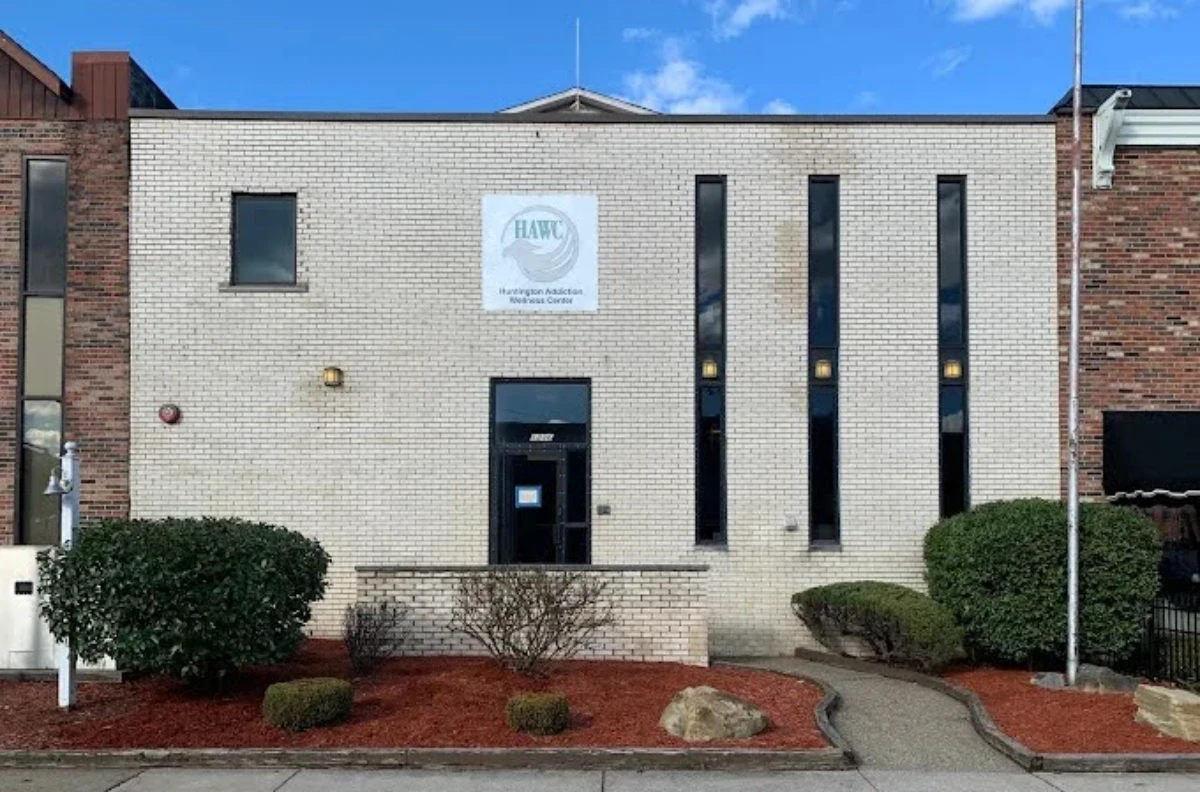
The exterior of the Huntington Addiction Wellness Center (HAWC) building, a two-story white brick facility with the HAWC logo displayed above the entrance
HAWC Recovery’s mission, as stated on hawcrecovery.com, is straightforward: to improve the quality of life for every individual struggling with substance use disorder through quality care and best practices. The center recognizes that no two recovery journeys are identical, which is why it works to identify the most appropriate pathway for each individual based on willingness, specific life circumstances, and previous experiences. The core program offerings include:
- Recovery Housing: Structured, alcohol- and drug-free living environments that provide a stable community for people beginning or maintaining recovery. HAWC Recovery is certified by the West Virginia Alliance of Recovery Residences and is medication-assisted treatment (MAT) capable, supporting treatments such as Vivitrol, Sublocade, Suboxone, and Methadone where clinically appropriate.
- Inpatient / Residential Support: A structured environment in which individuals receive comprehensive care, peer accountability, and daily routines designed to build a strong early foundation for sobriety.
- Outpatient Care: Flexible treatment options that allow individuals to meet personal, family, and work responsibilities while still receiving structured support and clinical guidance.
This continuum of care is particularly valuable for individuals dealing with co-occurring conditions, where the interplay between mental health and substance use requires an integrated, whole-person approach. Research consistently shows that treating both simultaneously leads to better long-term outcomes than addressing each in isolation. (SAMHSA, 2020)
Research note: Studies highlight how stable, supportive living environments—like certified recovery housing—measurably improve treatment engagement and long-term sobriety outcomes (Gliske, K., 2022, The Role of Recovery Housing During Outpatient Substance Use Treatment).
What Should You Know About Detox Before Joining HAWC?
Alcohol withdrawal can carry serious medical risks, including seizures in severe cases, making supervised detox a critical first step for many people. It’s important to note that HAWC does not provide on-site medical detox for alcohol or benzodiazepines.
If a medically supervised detox is required prior to admission, HAWC’s team will help coordinate appropriate services before enrollment into the inpatient program — ensuring you arrive ready to fully engage in treatment
How Does the Pre-Assessment Process Help Start Recovery?

Starting recovery can feel overwhelming, and HAWC makes the first step as clear and straightforward as possible through a confidential pre-assessment process. This evaluation, which can be initiated through HAWC’s intake form, identifies each person’s needs—including any co-occurring mental health conditions—and helps staff recommend the right level of care.
- Confidential Evaluation: Personal information is kept private while the team assesses substance use history, mental health background, and current circumstances.
- Tailored Support: Assessment findings directly shape an individualized treatment plan, ensuring that care fits the person—not the other way around.
- Guidance to Resources: Staff connect individuals with appropriate services, support groups, and community resources available in the Huntington area.
A thorough assessment also creates the opportunity to identify whether co-occurring mental health conditions may be contributing to alcohol use, allowing HAWC to address the full picture rather than the presenting symptoms alone.
How Can Support Groups in Huntington, WV Aid Alcohol Recovery?
Formal treatment is most effective when it is reinforced by consistent community support. Support groups provide accountability, shared experience, and the kind of social connection that helps people navigate the challenges of early and ongoing recovery.
- Community Support: Connecting with others who genuinely understand the experience of addiction reduces isolation and normalizes the recovery process.
- Accountability: Regular check-ins and group commitments help people stay focused on their goals, especially during difficult periods.
- Long-Term Stability: A reliable network of peers extends the benefits of formal treatment well beyond a program’s duration.
What Types of Alcohol Support Groups Are Available Locally?

Huntington offers a meaningful range of peer support options:
- Alcoholics Anonymous (AA): AA chapters in Huntington offer the 12-step program that has helped many people establish and maintain sobriety. Meetings are available at multiple locations throughout the week.
- Local Community Groups: Various organizations in Cabell County provide recovery support tailored to local needs and community values.
- Online Support Options: Virtual meetings and forums allow individuals to connect with recovery communities from home, which can be especially helpful for those with transportation barriers or scheduling constraints.
Note: Individuals seeking a specific meeting schedule for AA or other local groups in Huntington, WV are encouraged to consult aa.org or contact a local chapter directly for current times and locations.
How Do Support Groups Enhance Long-Term Sobriety?
- Encouragement from Peers: Members hold each other accountable and provide motivation during setbacks.
- Shared Experiences: Hearing how others have navigated similar challenges provides practical hope and concrete strategies.
- Building Connections: Forming genuine relationships within a recovery community reduces the social isolation that can trigger relapse.
Research note: Real-time monitoring and peer accountability have been associated with improved relapse prevention and better identification of lapse patterns in individuals recovering from alcohol use disorder (Hämäläinen, M.D., 2018).
What Are the Benefits of Alcohol Rehab and Staying Sober?
Entering a structured recovery program offers benefits that extend across health, relationships, and daily functioning. The goals of rehab go beyond stopping alcohol use—they include rebuilding a stable, purposeful life.
- Stabilization and Health Monitoring: Regular check-ups and clinical oversight ensure physical health is prioritized and monitored during the recovery process.
- Therapeutic Support: Access to counseling helps individuals work through the underlying factors contributing to alcohol use, including unresolved trauma, anxiety, or depression—issues that, when left unaddressed, are among the most common drivers of relapse.
- Skill Development: Coping strategies, emotional regulation tools, and practical life skills learned during treatment provide lasting tools for managing stress without alcohol.
How Does Sobriety Improve Health and Relationships?
The physical benefits of sustained sobriety are well documented: reduced risk for liver disease, improved cardiovascular function, better sleep, and stronger immune response. Emotionally, people in recovery often describe being better able to regulate their feelings—and to show up more fully for the people they care about. Rebuilding trust in relationships takes time, but sobriety creates the conditions for that work to begin.
What Life Improvements Can You Expect After Recovery?
- Stable Employment: Consistent sobriety reduces absenteeism and improves focus, making it easier to maintain reliable work performance.
- Financial Stability: Reduced spending on alcohol, combined with steadier income, creates meaningful improvements in financial health over time.
- Supportive Community: Recovery builds social networks grounded in mutual accountability and shared growth, replacing the isolation that often accompanies addiction.
How Do Personal Stories Inspire Recovery at HAWC in Huntington?
One of the most powerful elements of HAWC Recovery’s community is the presence of real recovery narratives. Hearing from people who have navigated similar struggles—and found their way through—can be the deciding factor for someone considering whether to reach out for help.
- Teya Canty Glaspell’s Story: A compelling account of overcoming addiction and rebuilding a meaningful life in the Huntington community.
- Chawntel M.’s Transformation: A testament to how peer support and community connection can carry someone through recovery.
- George K.’s Experience: An example of the growth and change that becomes possible with the right structure and support in place.
These stories are not just inspirational—they are practical. They demonstrate that recovery is not a single experience, but a process that looks different for every person, including those navigating the additional complexity of co-occurring mental health conditions.
How Do You Start Your Alcohol Recovery Journey with HAWC?
Getting started with HAWC Recovery involves three clear steps:
- Complete a Pre-Assessment: This confidential evaluation helps HAWC staff understand your situation and identify the most appropriate level of care—including any mental health considerations that may be part of your recovery picture.
- Participate in the Appropriate Program Level: Based on your assessment, you may enter inpatient residential care, outpatient programming, or recovery housing—or a combination of these services as your needs evolve.
- Transition to Recovery Housing: HAWC’s certified recovery housing provides a stable, supportive, substance-free environment in which to build the routines and connections that sustain long-term sobriety.
How Can You Contact HAWC for Personalized Support?
HAWC Recovery is available by phone, in person, and by email:
- Call: (681) 204-5400
- Visit: 1236 5th Avenue, Huntington, WV 25701
- Email: hawcrecovery@gmail.com
You can also visit hawcrecovery.com to learn more about available programs, access the pre-assessment intake form, and explore additional resources to support your recovery.
Frequently Asked Questions
Family support provides emotional stability and practical reinforcement during recovery. Family members can participate in therapy, develop a better understanding of how addiction works, and improve communication patterns at home. Their involvement supports healing for the whole household, not just the person in recovery.
Detox duration varies based on how heavily and how long alcohol has been used, the individual’s overall health, and whether any co-occurring conditions are present. The process commonly spans several days to approximately one week. Medical supervision throughout this period reduces risk and supports a safer transition into ongoing treatment.
Key warning signs include frequent blackouts, neglecting work or family responsibilities, experiencing withdrawal symptoms when not drinking, and continued drinking despite clear negative consequences. Changes such as increased secrecy, social withdrawal, or declining physical health are also indicators that professional support may be warranted.
Some people attempt to stop drinking on their own, but professional care is generally safer and produces better outcomes. Medical support manages withdrawal risks, while therapy addresses the underlying factors driving alcohol use. Peer support and community groups add valuable reinforcement, but a structured program typically improves both short- and long-term results.
Aftercare options include ongoing individual therapy, regular participation in support groups, and check-ins with recovery coaches. Many programs, including HAWC Recovery, provide aftercare services designed to reduce the risk of relapse and support continued growth. For individuals managing co-occurring conditions, continued mental health treatment is an important component of a comprehensive aftercare plan.
Offer patient, nonjudgmental encouragement and help your loved one connect with professional resources. Attending appointments together, listening actively, and maintaining healthy personal boundaries are all meaningful forms of support. Taking care of your own emotional wellbeing is equally important—you cannot pour from an empty cup.
A balanced diet, regular physical activity, and consistent sleep form a strong physical foundation for recovery. Building a sober social network and establishing reliable daily routines reduce exposure to triggers. Mindfulness, meditation, and stress management practices provide additional tools for handling difficult moments without turning to alcohol.
Conclusion
Recovery from alcohol use disorder is a process, and it is one that many people in Huntington, WV have successfully navigated with the right support in place. HAWC Recovery offers a community-grounded, individualized approach—from the first pre-assessment to recovery housing and beyond—designed to meet people where they are, including those managing the added complexity of co-occurring mental health conditions.
If you or someone you care about is ready to take that first step, reaching out for a pre-assessment is a practical, low-barrier way to begin. HAWC Recovery’s team is available to help build a plan tailored to your specific needs. To learn more or get in touch, visit hawcrecovery.com or call (681) 204-5400.