Kratom has gained a reputation as a “natural” alternative for pain relief, energy, mood support, and even opioid withdrawal. As its popularity has grown, more people have begun using it recreationally, for self-medication, or as a substitute for opioids during recovery, and that growing popularity has created confusion.
Some people believe kratom is harmless because it comes from a plant. Others assume it is safe because it is not federally illegal in the United States. Neither assumption tells the full story.
Kratom use has increased significantly across the United States over the past decade. According to the FDA, an estimated 1.7 million Americans aged 12 and older reported using kratom in 2021. As use has grown, so have concerns about dependency, withdrawal symptoms, contaminated products, and the long-term effects of regular use.
Health organizations, including the FDA and the National Institute on Drug Abuse, have raised concerns about kratom’s addictive potential, its effects on the brain, and the growing number of people seeking treatment after developing dependency. In parts of Appalachia and West Virginia, kratom use has also increased among individuals attempting to self-manage opioid cravings or withdrawal symptoms without medical support.
For some people, what starts as occasional use slowly becomes daily dependence.
This article explains what kratom is, why it can become addictive, the warning signs of abuse, what withdrawal symptoms look like, and when it may be time to seek professional help.
What Is Kratom?
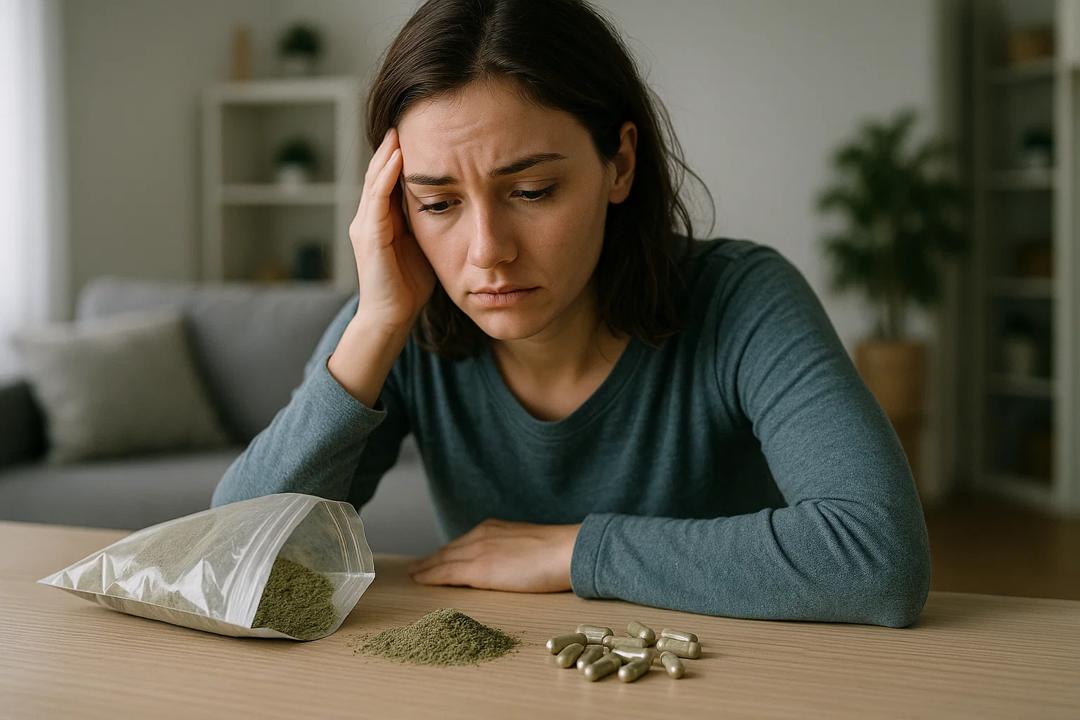
Kratom (Mitragyna speciosa) is a tree native to Southeast Asia. Its leaves contain two main active compounds: mitragynine and 7-hydroxymitragynine, both of which bind to opioid receptors in your brain. Users chew the leaves, brew them as tea, take capsules, or use a powdered form dissolved in liquid.
At low doses, users report a stimulant effect: more energy, better focus, increased sociability. At higher doses, the same plant produces sedation, pain relief, and relaxation. This dose-dependent effect is partly why kratom markets itself as a flexible alternative. But that same pharmacology, the opioid-receptor binding, is exactly what makes it capable of creating addiction.
Kratom products are commonly sold as:
- Powders
- Capsules
- Extracts
- Gummies
- Teas
- Concentrated liquid shots
Many products are marketed as wellness supplements, mood boosters, or natural pain alternatives. However, because kratom is not federally regulated like prescription medications, product strength and purity can vary significantly.
Kratom exists in a legal gray zone in the United States. The FDA has never approved it for any medical purpose and has warned against its use citing safety concerns. The DEA lists kratom as a “drug of concern,” but it remains unscheduled federally, meaning it’s not currently illegal to possess in most states, even though some municipalities and states have restricted or banned it. That legal ambiguity has contributed to its widespread availability despite mounting evidence of harm.
Is Kratom Addictive?
The answer is yes. Kratom can create both physical and psychological dependence, and the research backing this is getting stronger each year.
Kratom’s two main alkaloids, mitragynine and 7-hydroxymitragynine, function like opioids in your brain. They activate the same opioid receptors that prescription painkillers and heroin bind to. This means kratom produces similar effects to opioids: pain relief, mood elevation, relaxation, and yes, dependence.
Health organizations and researchers continue raising concerns about kratom dependency as use increases across the United States. The World Health Organization’s Expert Committee on Drug Dependence has reported cases of dependence and withdrawal linked to regular kratom use, while research published in Psychiatric Clinics of North America found that long-term users may develop cravings, tolerance, and withdrawal symptoms similar to opioid withdrawal.
The catch: because kratom powder is inconsistent, varying wildly in potency depending on the strain, growing conditions, and seller, it’s nearly impossible to know your actual dose.
Some products are formulated with concentrated levels of 7-hydroxymitragynine, making them significantly more potent than traditional leaf powder, and that is more likely to create dependence.
You might buy what you think is mild kratom only to find it’s strong enough to create physical dependence within weeks.
Why Do Some People Become Dependent on Kratom?
Kratom dependency often develops quietly. Unlike some substances that cause rapid behavioral changes, kratom addiction can look manageable at first. Many users continue going to work, maintaining relationships, and functioning normally during the early stages. That can make the warning signs easier to overlook.
Several factors increase the risk of dependency, including:
Using Kratom to Self-Medicate
Many people turn to kratom to cope with anxiety, depression, emotional stress, trauma, or chronic pain. Others begin using it to manage opioid cravings or withdrawal symptoms without medical supervision.
The problem is that the underlying issue often remains untreated.
Instead of resolving emotional or physical distress, kratom may temporarily numb it. Over time, the brain can begin associating kratom with relief, creating a pattern of emotional dependency that becomes difficult to break.
This overlap between mental health struggles and substance use is one reason dual diagnosis treatment is so important in addiction recovery.
Increased Tolerance
With repeated use, the body can become less responsive to kratom. Someone who once felt effects from a small amount may begin increasing dosage or frequency to maintain the same results. This cycle of tolerance often accelerates dependency.
Stronger Concentrated Products
Today’s kratom market includes highly concentrated extracts and liquid shots that can be significantly more potent than traditional leaf powder.
Some users unknowingly consume far higher doses than intended. The stronger the product, the greater the risk of tolerance, withdrawal symptoms, and compulsive use.
History of Substance Use
Individuals recovering from opioid addiction or substance use disorders may face a higher risk of developing kratom dependency. Because kratom activates opioid receptors, it can sometimes become a substitute addiction rather than a long-term recovery solution.
In communities already impacted by the opioid epidemic, including many parts of West Virginia and Appalachia, addiction specialists have become increasingly concerned about this pattern.
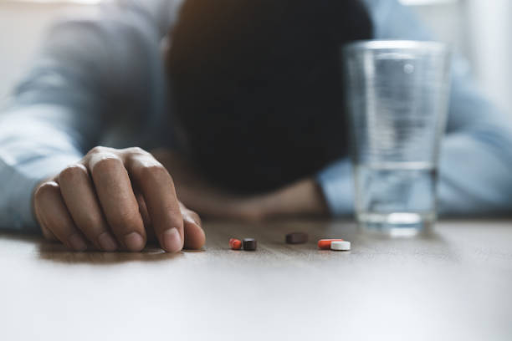
Why Kratom Can Become Habit-Forming
Kratom becomes habit-forming for two reasons: physical dependence and psychological conditioning.
Physical dependence happens because your brain adapts to regular opioid-like stimulation. As kratom repeatedly activates your opioid receptors, your brain downregulates its own opioid production and adjusts receptor sensitivity. After weeks or months of regular use, your brain comes to expect that external opioid-like signal. When you stop taking kratom, your brain suddenly lacks that stimulus. The withdrawal is the result of your nervous system recalibrating without it.
Psychological dependence is equally powerful. If you started using kratom to manage pain, anxiety, or cravings from opioid withdrawal, you’ve associated the substance with relief. Your brain learns that this plant equals fewer symptoms, better mood, pain-free hours. That association is hard to break, even when you intellectually know the kratom is creating new problems.
The two feed each other. Physical withdrawal makes you desperate for relief, so you take more kratom. Psychological craving makes you reach for it even when your body doesn’t physically need it anymore. This loop is why many people who try to quit kratom end up using again within days or hours.
What Are the Signs of Kratom Abuse?
Kratom abuse doesn’t always look dramatic. Someone might be functioning (working, taking care of responsibilities) while still being dependent and headed toward crisis.
Physical signs include:
- Daily use that feels necessary to function
- Needing larger amounts to get the same effect (tolerance buildup)
- Tremors, sweating, or shaking when doses wear off
- Sleep problems, especially insomnia during attempted withdrawal
- Constipation (a common side effect that worsens with heavy use)
- Nausea, especially if the dose is very high
- Loss of appetite and weight loss over time
Behavioral and psychological signs include:
- Using kratom to manage emotions or stress, not just physical pain
- Continuing to use despite negative consequences (job problems, relationship strain, financial pressure)
- Lying about how much kratom you’re using or spending on it
- Spending significant money on kratom (regular users spend $20-50+ per week)
- Isolating from people who question your use
- Failed attempts to cut back or quit
- Intense cravings, especially during stress or emotional discomfort
In the Appalachian context, kratom abuse is often tied to opioid dependence. People in West Virginia and surrounding states have been hit hardest by the opioid epidemic. When prescription painkillers became scarce or too expensive, many turned to kratom as a cheaper, accessible alternative. But what starts as harm reduction (kratom instead of heroin) often becomes a new addiction problem. Sometimes it coexists with the opioid dependence it was meant to replace.
What Does Kratom Withdrawal Feel Like?
Kratom withdrawal is severe. The symptoms track closely to opioid withdrawal because the pharmacology is nearly identical.
The timeline typically looks like this:
- First 6-12 hours: Early symptoms appear. Restlessness, anxiety, body aches beginning.
- 12-24 hours: Full withdrawal peaks. Insomnia, severe muscle and joint pain, sweating, loss of appetite, irritability.
- Days 2-7: Peak intensity. Most people report this as the hardest phase. Bone-deep aches, overwhelming fatigue mixed with inability to sleep, emotional dysregulation (depression, anxiety), intense cravings.
- Week 2-3: Symptoms slowly fade, but insomnia, low mood, and fatigue persist.
- Week 3-4 and beyond: Physical symptoms largely resolve, but psychological cravings and mood disturbance can last weeks or months.
Some people describe kratom withdrawal as feeling similar to a prolonged flu combined with emotional exhaustion and severe sleep disruption. Others report feeling mentally foggy, emotionally overwhelmed, and physically restless during early recovery.
The severity of withdrawal depends on how much kratom you were taking, how long you took it, and your individual neurobiology. Heavy users who take 20 or more grams daily for several months can experience withdrawal symptoms that are comparable to moderate opioid withdrawal. People who use smaller amounts may experience milder symptoms. Even so, kratom withdrawal is physically and emotionally difficult for many people. Without proper support, many individuals return to using before they are able to fully move through the withdrawal process.
How Long Does Kratom Withdrawal Last?
Physical withdrawal typically peaks within the first 3-5 days and gradually improves over 2-3 weeks. But “improvement” doesn’t mean you’re back to normal.
Acute withdrawal, the intense body aches, sweating, insomnia phase, usually lasts 5-14 days depending on dose and duration of use. After that, symptoms become more about mood, energy, and cravings than physical pain.
Post-acute withdrawal syndrome (PAWS) can last much longer. People report:
- Lingering fatigue and low motivation for 4-6 weeks or more
- Difficulty concentrating and brain fog
- Mood instability, especially depression and anhedonia (inability to feel pleasure)
- Sleep disturbance even after acute withdrawal ends
- Strong emotional cravings triggered by stress, specific times of day, or people/places associated with use
The longer and heavier someone uses kratom, the more prolonged withdrawal tends to be. People who use kratom daily for many months or years often experience 2 to 4 weeks of significant symptoms, followed by lingering issues like sleep disruption, anxiety, low motivation, or cravings that gradually improve over time. Some people who used kratom for only a few months can still experience extended withdrawal symptoms, though the recovery period is usually shorter and less intense.
This extended timeline is crucial to know upfront. Many people quit, feel terrible for a week, think they can’t do this, and go back to kratom. If they’d known week 2 gets better or that week 3 brings real improvement, they might have pushed through.
When Kratom Use Turns Into Addiction
The line between “heavy use” and “addiction” isn’t always clear, but addiction is present when:
- You continue using despite knowing it’s harming your relationships, finances, health, or job
- You’ve tried to cut back or quit multiple times and can’t stick with it
- You spend an inordinate amount of time obtaining, using, or recovering from kratom
- Your use is driven more by the desire to avoid withdrawal than by any benefit
- Your tolerance has grown so high that you need massive doses just to feel normal
By the time someone recognizes they’re addicted, they’re often already in a difficult spot. They’re physically dependent, financially stretched (kratom isn’t cheap when you’re using daily), and emotionally worn down by failed quit attempts.
At HAWC Recovery, we see people at exactly this point. They’ve tried to quit on their own. They’ve white-knuckled through a few days of withdrawal, felt miserable, and taken kratom again just to make it stop. Or they’ve never tried. They just know they’re stuck and don’t know how to get out. Our inpatient treatment program is built for people in this position. We manage withdrawal medically so you’re not suffering through days of pain alone. We address the underlying reasons you started using kratom in the first place. We build real skills for staying off it. Most importantly, we don’t judge the kratom piece as less serious than opioid dependence because clinically and neurologically, it often isn’t.
Treatment Options for Kratom Addiction
Kratom addiction responds to the same treatment approaches as opioid addiction, with some important caveats.
Medication-assisted treatment (MAT) is the gold standard for opioid addiction. It uses medications like buprenorphine or methadone to reduce cravings and withdrawal. Understanding how MAT works is important whether you’re dealing with opioids, kratom, or both. Early research suggests MAT can help with kratom dependence, too, though there’s less clinical data than for heroin or prescription opioids. If you have concurrent opioid and kratom dependence, which is common, MAT addresses both.
Behavioral and cognitive therapies (CBT, contingency management, motivational interviewing) teach you to:
- Recognize triggers that make you crave kratom
- Develop concrete coping skills for stress, pain, or negative emotions (without kratom)
- Restructure thinking patterns that keep you stuck in the addiction cycle
- Rebuild motivation during the hardest moments of early recovery
These work because addiction isn’t just a neurochemical problem. It’s also a learned behavior and a coping mechanism. Therapy addresses that layer.
Residential treatment (inpatient) makes sense if:
- You’ve tried outpatient recovery and relapsed
- Your withdrawal is severe, and you need medical support
- Your home environment is triggering or unsupportive
- You have other mental health issues (depression, anxiety, trauma) that need simultaneous treatment
- You need a structured reset: time away from access, daily structure, therapeutic community
At HAWC, our Phase 1 Inpatient Treatment provides exactly this. You’re medically supervised during withdrawal. You work with addiction specialists and mental health clinicians. You connect with others in recovery. Once you’re stabilized, you transition to Phase 2: our Recovery Housing plus Job Placement program. There you maintain sobriety, rebuild your life, and prepare for independent living in Phase 3.
Outpatient treatment works if:
- Your dependence is moderate (you can function without kratom for a few days)
- You have strong family or social support
- You’re attending multiple sessions per week and can stay engaged
The evidence is clear: the more treatment intensity and duration, the better the outcomes. If you try to quit on willpower alone, you’re working against your own neurobiology. That’s not a weakness, that’s how addiction works.
How to Actually Quit Kratom and Stay Clean
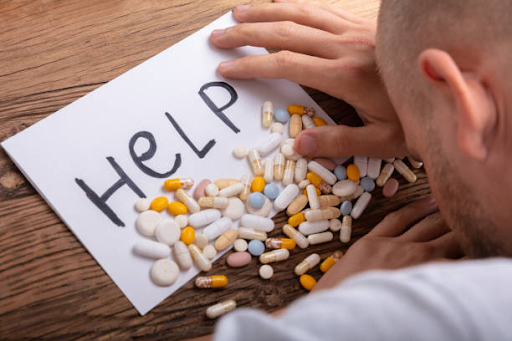
The difference between people who quit kratom and people who cycle through it repeatedly comes down to one thing: support. Specifically, professional support during the critical early phase and ongoing accountability after.
Many people try to quit kratom on willpower alone, but the combination of withdrawal symptoms, cravings, and changes to the brain’s reward and stress-response systems can make recovery extremely difficult without support. That is not a personal failure. Dependence affects brain chemistry in ways that make relapse more likely, especially during periods of stress, discomfort, or emotional overwhelm. Treatment, medical support, counseling, and recovery communities can significantly improve the chances of long-term recovery.
If you’re serious about quitting, here’s what actually works:
- Medical detox or outpatient medical management. Talk to your doctor or addiction treatment provider about medications that may help ease the physical symptoms of withdrawal. Depending on your situation, that could include buprenorphine for concurrent opioid dependence, gabapentin for nerve pain and anxiety, or other comfort medications prescribed and monitored by a medical professional. Reducing the physical intensity of withdrawal can make it easier to focus on recovery instead of simply trying to get through the day.
- Behavioral therapy. Weekly sessions with someone trained in addiction treatment. They help you identify triggers, build coping skills, and stay motivated through the psychological cravings that linger long after physical withdrawal ends.
- Community and structure. Whether that’s a recovery group, residential treatment, or intensive outpatient programming, being around others in recovery normalizes the struggle and provides accountability. Isolation is a relapse risk. Community is protective.
- Treatment of underlying issues. Most people didn’t start kratom randomly. They used it for pain, anxiety, depression, or to ease opioid withdrawal. If you don’t address what kratom was treating, you’ll be drawn back to it. Real recovery means handling the underlying condition, whether that’s pain management, mental health treatment, or opioid MAT.
Kratom addiction is treatable. Thousands of people have gotten clean and built good lives in recovery. But it takes more than good intentions. It takes clinical support, behavioral work, and community.
Getting Help for Kratom Addiction in Huntington, WV
If you live in Huntington, the Tri-State region, or anywhere in West Virginia, the path forward is clearer than you might think.
First: know that kratom dependence is treatable. Thousands of people have quit kratom and built stable recovery. It’s hard, yes, but it’s absolutely possible.
Second: get a professional assessment. A clinician trained in addiction can determine:
- How severe your dependence actually is
- Whether you have concurrent substance use or mental health issues
- What level of care will work for you (outpatient vs. inpatient)
- Whether you need medication support
You don’t need to try harder on your own first. That narrative, “I should be able to quit if I just try,” keeps people stuck in the withdrawal-relapse cycle. If willpower worked, you wouldn’t be reading this.
HAWC Recovery specializes in exactly this situation. We work with people who are dependent on kratom, opioids, alcohol, stimulants, and combinations of all of the above. Our clinical team understands Appalachian substance use patterns. We know that kratom often sits alongside opioid dependence. We know that people in our region have specific barriers to treatment: distance, cost, stigma. We know that recovery works better when it’s rooted in a real community, not a corporate national chain.
You can start by filling out a confidential contact form. No judgment, no pressure. Just an honest conversation about where you are and what options make sense for you. Get in touch with HAWC Recovery to get started
FAQS
Can you overdose on kratom?
Overdose is rare but possible. High doses (above 20+ grams) can cause respiratory depression, seizures, or severe liver problems. Most fatal cases involved kratom mixed with other substances. If you suspect an overdose, call Poison Control (1-800-222-1222) or emergency services immediately. Don’t downplay kratom in the conversation with first responders. They need to know what you’ve taken.
Is kratom physically addictive?
Yes. Kratom’s alkaloids bind to opioid receptors and create physical dependence in the same way opioids do. Regular use (especially 5+ grams daily) leads to neuroadaptation. Your brain adjusts to the presence of the drug, and withdrawal symptoms appear when you stop.
What are the real withdrawal symptoms?
Muscle aches, insomnia, sweating, anxiety, severe cravings, loss of appetite, nausea, irritability, and depression are typical. For heavy users, the first week is often the worst, but symptoms can persist for weeks or months. The severity varies. Some people experience mild discomfort, others experience withdrawal as intense as moderate opioid withdrawal.
How long does kratom withdrawal last?
Acute physical symptoms usually peak around day 3-4 and improve significantly by day 10-14. Post-acute withdrawal, mood, energy, cravings, sleep, can linger for 4-8 weeks or longer. Recovery isn’t linear. You’ll have good days and harder days.
Can you get addicted to kratom if you use it occasionally?
Occasional use is lower-risk, but addiction can develop even from moderate use if you’re taking it daily. Individual biology matters. Some people develop dependence quickly, others take longer. The safest approach is to avoid daily use and be honest with yourself about why you’re reaching for it each time.
How do you quit kratom safely?
Medical supervision is ideal. Your doctor can manage withdrawal medications, monitor vitals, and provide emotional support through the hardest days. If medical detox isn’t an option, outpatient treatment with behavioral therapy helps significantly. Quitting alone is possible but has high relapse rates. If you’re serious about stopping, get professional help.
What's the difference between kratom dependence and addiction?
Dependence is the physical adaptation. Your brain and body have adjusted to the presence of kratom, so you experience withdrawal when you stop. Addiction is the behavioral pattern. Continued use despite negative consequences, lying about use, prioritizing the drug over other responsibilities, failed quit attempts. You can be dependent without being addicted, but most heavy kratom users develop both.
Medical Disclaimer
This article is for informational purposes only and should not be construed as medical advice. Kratom use, dependence, and withdrawal are serious medical conditions that require professional evaluation and treatment. Individual experiences with kratom vary widely based on dosage, duration of use, personal health, and other factors. If you are using kratom, experiencing withdrawal symptoms, or considering stopping kratom use, please consult with a qualified healthcare provider, addiction specialist, or call HAWC Recovery at 681-204-5400 for a confidential assessment.