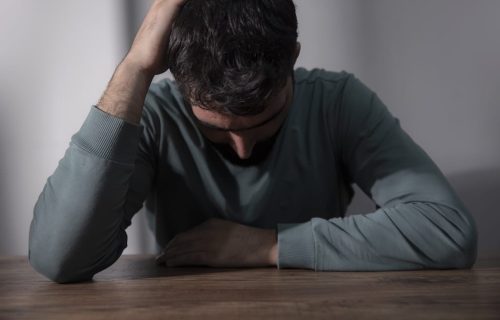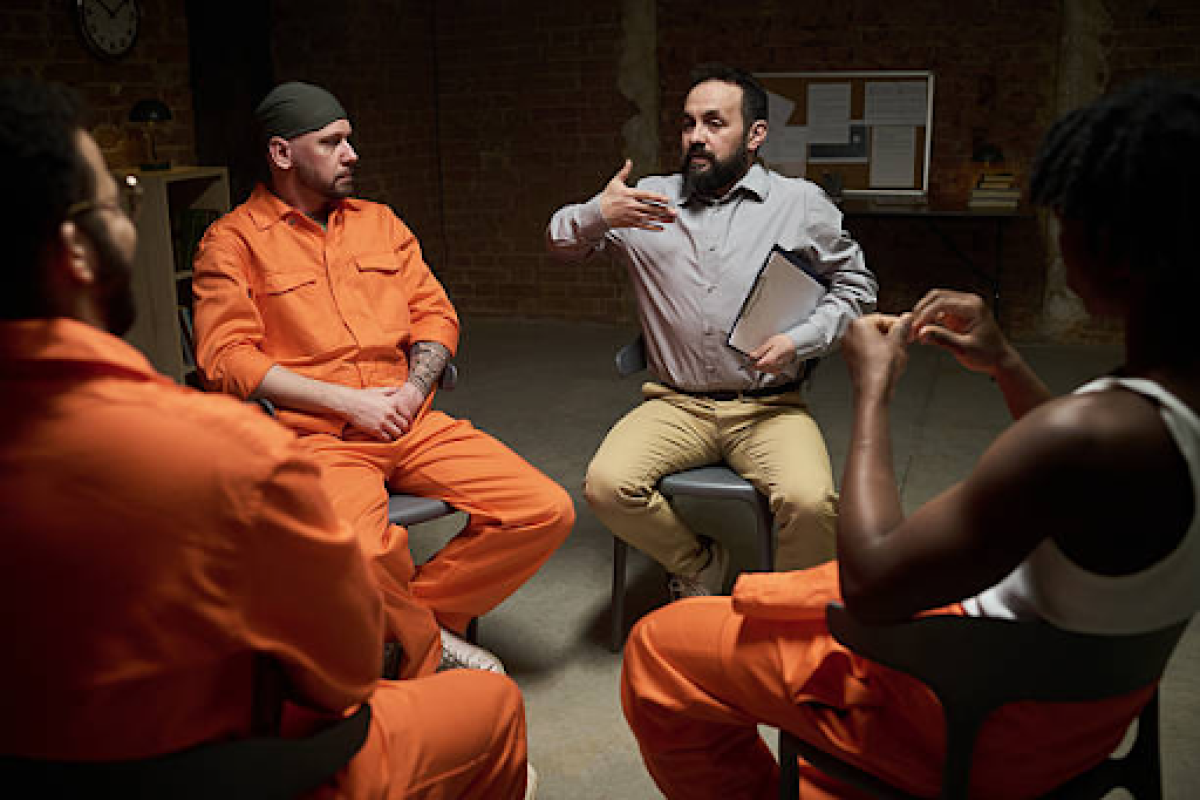
You are getting out soon, or someone you love is. The sentence is almost served, the release date is circled on a calendar, and underneath the relief there is a quieter fear nobody says out loud: what happens when the door opens and the same town, the same people, and the same triggers are waiting.
If addiction played a part in how you ended up incarcerated, that fear is not paranoia. It is the single biggest risk you face. The good news is that the weeks around release are also the moment when treatment changes the most lives, and in West Virginia, you have more real options than you may have been told.
Rehab after jail or prison is one of the most effective ways to break the cycle of reincarceration, because substance use disorder drives most repeat offenses. In West Virginia, you may be able to enter treatment as a condition of probation or parole, or as an alternative to incarceration through a drug court. The strongest programs coordinate directly with your probation officer, reinstate your Medicaid, provide stable housing, and help you find work before you finish inpatient care.
This guide covers how those placements happen, what to expect, and how to start. Keep reading till the end to know more.
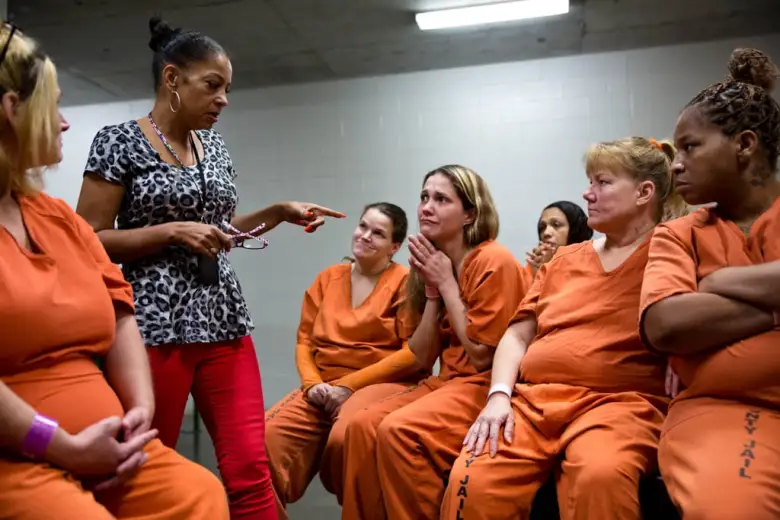
What Happens to Your Recovery After Release From Jail or Prison?
The first 30 to 90 days after release are the highest-risk window of the entire process. People leave incarceration with reduced drug tolerance because they have not been using at the same level inside. If they return to old habits at the old dose, the risk of fatal overdose climbs sharply, according to the National Institute on Drug Abuse. That is the hardest truth about reentry, and it is exactly why a plan matters more than willpower.
The numbers around reentry are sobering, and you deserve honesty rather than slogans. The Bureau of Justice Statistics found that about 68% of people released from state prisons were arrested again within three years, and 83% within nine years. Substance use is the thread running through most of those rearrests. None of that means recovery is hopeless. It means the system most people are released into is set up to fail them, and that changing your outcome starts with changing what surrounds you in those first months.
What surrounds you is the whole question. Treatment after incarceration is not only about stopping drug use. It is about rebuilding the basic structure of a life: housing, income, identification, transportation, and a community that does not pull you back toward the things that hurt you.
Why Is Addiction Treatment So Important After Incarceration?
Addiction treatment after incarceration matters because, for most people behind bars, substance use disorder is the underlying condition, not a side note. The National Institute on Drug Abuse reports that an estimated 65% of the U.S. prison population has an active substance use disorder, and when you include people who were under the influence at the time of their offense, that figure reaches roughly 85%. Punishment alone does nothing to treat that condition. When the condition goes untreated, the cycle repeats.
Decades of research point the other direction. NIDA notes that treating substance use disorder within the justice system reduces both drug use and future crime, and that it saves money over time even after accounting for the cost of care. There is also an encouraging finding for anyone entering treatment because a court told them to: research suggests that treatment does not have to be voluntary to work. People who start treatment under legal pressure can become genuinely engaged and recover, which matters because so many people in West Virginia arrive at treatment through the court system.
This is the gap that long-term programs are built to close. Short stays stabilize the body. Lasting recovery requires time, structure, and support that continues well after the inpatient phase ends.
Can You Go to Rehab Instead of Jail in West Virginia?
In many cases, yes. West Virginia operates adult drug courts and treatment courts specifically designed to redirect people with substance use disorder away from incarceration and into supervised treatment. The stated goal of these courts is to lower both recidivism and substance use by combining accountability with real rehabilitation. Whether you qualify depends on your charges, your history, and the discretion of the court, which is why this is a conversation to have with your attorney or public defender rather than something to assume.
The shift is not just local. The political climate has moved toward treating addiction as a health condition rather than a purely criminal one. National reentry efforts like Reentry 2030, coordinated by the Council of State Governments Justice Center and joined by West Virginia, are pushing states to lower barriers to housing, health care, and employment for people coming home. Treatment combined with a job is becoming the model rather than the exception.
A quick and important note: this article is informational, not legal advice. Only an attorney or your assigned officer can tell you what is possible in your specific case. What this guide can do is explain how the treatment side works, so you walk into those conversations informed.

How Do Court-Ordered Treatment Placements Actually Get Coordinated?
Court-ordered placements rarely come from a single source. In practice, the request to enter a program can come from a probation or parole officer, a defense attorney, a case manager, an in-house parole officer at the facility, a family member, or the person themselves writing a letter from inside. There is no one dominant path. A lot depends on whether you have an engaged officer or lawyer working on your behalf, and if you do not, the responsibility often falls to you or your family to start the process.
There is a credentialing layer that families often do not know about. In West Virginia, a facility has to hold the right certification to accept people who are ordered into treatment, and approved programs appear on a list available inside the jails and prisons. When a judge orders treatment, that list is where people and courts look for an available bed. Knowing that a program is on that list, and that it is accredited, is one of the clearest signals that it can actually satisfy a court’s requirements.
This is where the difference between programs becomes concrete. HAWC Recovery in Huntington holds CARF and WVARR accreditation and works directly with West Virginia’s treatment courts, enrolling court-referred clients into Phase 1 inpatient treatment. Because courts need consistent communication, regular drug testing, and reliable reporting, HAWC has become a steady partner for the system. The team stays in daily contact with clients and reports back to officers consistently, which is exactly what allows someone to complete a court-ordered stay without a violation. If you are a probation officer, attorney, or family member seeking to understand how this works from a legal perspective, our companion guide to court-ordered rehab in West Virginia walks through the professional process in detail.
How Does Probation or Parole Affect Your Recovery?
Probation and parole add structure, and for many people in early recovery that structure is genuinely helpful rather than just burdensome. A treatment condition usually means you have to attend a program, submit to drug screening, keep appointments, and avoid the people and places tied to your past use. Those requirements line up almost exactly with what recovery demands anyway.
The friction shows up when the treatment program and the supervising officer do not talk to each other. If your officer cannot confirm that you are showing up and testing clean, you carry the burden of proving it, and missed paperwork can turn into a violation even when you are doing the work. The smoother path is a program that handles that reporting for you. When a treatment provider sends documentation directly to your officer, drug tests on a schedule, and flags problems early, your compliance becomes visible without you having to chase signatures during the most stressful stretch of your life.
Ask any program you are considering one direct question: do you communicate with probation and parole officers, and how often? A program that cannot give you a clear answer is one that will leave you exposed.
What Challenges Do People Face in the First Weeks After Release?
The first few weeks after release are often the most unstable period of recovery. People are expected to rebuild multiple parts of their lives at the same time while staying sober, complying with probation requirements, and avoiding old triggers.
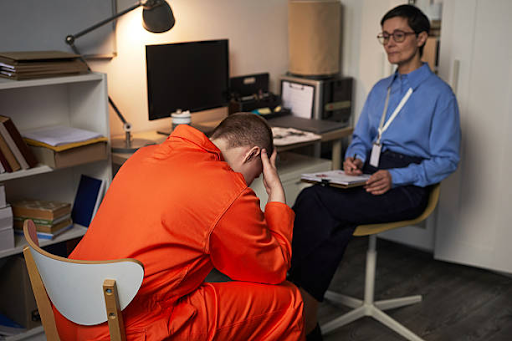
Common challenges include:
- Finding stable housing
Many people leave jail or prison without a safe place to live. Returning to unstable or substance-heavy environments can increase relapse risk and make recovery much harder to maintain. - Replacing identification and important documents
A missing driver’s license, Social Security card, or state ID can create barriers to employment, healthcare, housing, and public assistance. - Securing income and employment
Finding work after incarceration is often difficult. Financial stress can quickly become overwhelming, especially for individuals trying to rebuild their lives from scratch. - Accessing healthcare and treatment services
Some people are released without active insurance coverage or established medical care, creating gaps in addiction treatment, mental health services, and medication management. - Navigating probation and legal obligations
Court dates, probation meetings, drug testing requirements, and compliance expectations can feel overwhelming without structure and support. - Avoiding old environments and triggers
Many individuals return to the same neighborhoods, social circles, and situations connected to past substance use. Exposure to familiar triggers can quickly undermine recovery progress. - Managing family stress and relationship challenges
Rebuilding trust with family members takes time. Many people return home carrying guilt, shame, or unresolved conflict that can create additional emotional pressure. - Coping with loneliness and isolation
Starting over can feel incredibly lonely. Without a healthy support network, many individuals struggle to stay connected and motivated during early recovery.
These challenges are exactly why a strong reentry plan goes beyond treatment alone. Recovery housing, employment support, peer accountability, and ongoing outpatient care can provide the stability people need while rebuilding their lives one step at a time.
How Do You Get Your Medicaid Back After Release?
Health coverage is one of the most important and most overlooked pieces of reentry, because without it, treatment and medication can feel out of reach. Under federal law, states are now required to suspend rather than fully terminate Medicaid during incarceration, and to reinstate coverage more quickly upon release. Some states are even using federal waivers to begin connecting people to benefits in the weeks before they walk out the door.
In practice, coverage does not always switch back on automatically, and gaps still happen. The fastest way to avoid a lapse is to start the reinstatement process before release if you can, and to choose a treatment program that knows how to help you do it. The right provider will not just hand you a phone number. They will walk you through enrollment so that your first weeks home are not spent uninsured.
HAWC Recovery accepts all West Virginia Medicaid plans, PEIA, and Blue Cross Blue Shield and Highmark, and we can help eligible people who are uninsured enroll through presumptive Medicaid. For someone leaving incarceration with no coverage and no income, having a program handle that paperwork removes one of the biggest barriers between release and care.
Why Does Recovery Housing Matter So Much After Incarceration?
Recovery housing matters because where you sleep at night shapes whether you stay sober. A safe, structured, substance-free home removes the daily exposure to triggers that derails so many people in the first months home. It replaces the old environment with one built around accountability and routine, and it buys you time to rebuild before you face the world on your own.
This is where treatment models really diverge. Many programs in the region use a two-phase approach: inpatient treatment followed by sober living, often lasting around eight months total.
The problem HAWC saw with that model is what happens at the end of it. People would get clean, build a support network locally, and then have nowhere to go but back home, sometimes 30, 50, or 60 miles away from everything that was holding them up.
So, HAWC built a third phase. After Phase 2, which combines recovery housing with job placement, clients can move into graduate housing with light oversight: random drug screening at least once a month, program fees they pay themselves, and the chance to put utilities in their own name and learn to live independently while still in regular contact with staff.
That third phase is structured as a six-month agreement that can be renewed once, which means someone who completes the full continuum can stay supported for up to a year and eight months. The leadership is candid that this phase costs the organization money rather than making it, and that they could earn more by shutting it down. They keep it because long-term success rates, not short-term revenue, are the point. That honesty is worth weighing when you compare programs, because it is the opposite of the revolving-door model that profits when people relapse and return.
How Can Employment Before Discharge Support Long-Term Recovery?
Steady work does more for recovery than almost anything else, because it rebuilds income, identity, routine, and self-respect at the same time. NIDA specifically lists employment and housing assistance among the wrap-around services that make treatment effective for people leaving the justice system. A job gives the day a shape and gives the person a reason to protect their progress.
The timing is what most programs get wrong. Waiting until after discharge to start a job search leaves people unemployed during their most fragile weeks. HAWC’s model flips that. We help clients secure community employment during Phase 1, before they ever leave inpatient treatment, with the goal of having a person working within their first 90 days. That early transition turns someone who has been a cost to the system into a contributor, and it means the structure of a workday is already in place when the structure of inpatient care ends. It is an approach we rarely see anywhere else in the region, and it directly answers the “what will I do for money” fear that pulls so many people back toward old habits.
What Happens If You Relapse While on Probation?
Relapse is a real risk, and pretending otherwise helps no one. It is common in early recovery, and a single setback does not have to mean a return to incarceration, though the consequences depend heavily on your court, your officer, and the terms of your supervision. This is another area where only your attorney or probation officer can tell you what your specific situation allows.
What a treatment program does after a relapse tells you almost everything about its quality. Programs focused only on punishment may discharge someone immediately after a positive test, which often pushes that person straight back into the justice system. Stronger programs respond differently. They look at what triggered the setback, adjust the treatment plan, increase support, and hold the person accountable without abandoning them. HAWC takes a person-centered approach, and when someone genuinely is not benefiting after repeated attempts, we will help find a better-fitting program elsewhere rather than keep cycling them through, even though that means lost revenue. The combination of consistent drug testing and steady communication with the courts is also what helps many clients complete court-ordered treatment without a violation in the first place.
How Can Families Help a Loved One Starting Over After Incarceration?
Families carry an enormous share of reentry, often without any roadmap, and what you do in the weeks before and after release genuinely matters. The most useful things are practical: help line up a treatment placement before the release date, gather documents needed for identification and benefits, and start the Medicaid reinstatement process early. Knowing in advance which accredited programs work with the courts can save days that a person in crisis does not have.
Just as important is the language you use and the patience you bring. Person-first framing, treating your loved one as a person in recovery rather than by their record or their addiction, is not just kindness. It reduces the shame that keeps people from asking for help. Recovery is rarely a straight line, and steady, non-judgmental support through the ups and downs does more good than pressure or ultimatums. If you are not sure where to begin, a confidential pre-assessment is a low-stakes first step that can clarify what level of care fits and what the next move should be.
What Does Starting Over After Jail or Prison Look Like in West Virginia?
Starting over is not a single moment of getting clean. It is a sequence: stabilize, find safe housing, restore your income and coverage, stay accountable, and give it enough time for the new life to take hold. The reason the cycle of reincarceration is so hard to break is that most people are asked to do all of that at once, alone, in the same place that broke them the first time. Rehab after jail or prison works when it replaces that setup with structure, treatment, and a community that stays with you past the first hard month.
That continuum is exactly what HAWC Recovery was built to provide for people across Huntington, the Tri-State region, and Appalachia: inpatient treatment that satisfies court requirements, recovery housing that keeps you out of the old environment, employment before discharge, and long-term support that can extend well past a year. If you or a loved one is preparing for release, working through a probation or parole treatment condition, or weighing treatment instead of incarceration, you can start a confidential pre-assessment online or call HAWC Recovery at (681) 204-5400.
Frequently Asked Questions
Why is rehab better than jail for someone with a substance use disorder?
Jail removes access to drugs temporarily but rarely treats the underlying disorder, so the risk of relapse and rearrest stays high after release. Rehab addresses the condition itself through therapy, medical care, and structure, and research shows treatment reduces both future drug use and future crime. For many people, treatment also costs society far less over time than repeated incarceration.
How do you get rehab instead of jail in West Virginia?
It usually happens through a drug court or treatment court, or as a condition negotiated in your case, and it depends on your charges and history. The decision rests with the court, so the right step is to talk with your attorney or public defender about whether a treatment alternative is available to you. An accredited program that works with the courts can then coordinate the placement.
Can you go to rehab while on probation or parole?
Yes, and treatment is often a condition of supervision rather than an obstacle to it. The key is choosing a program that communicates directly with your probation or parole officer, drug tests on a schedule, and reports your progress, so that staying in treatment also keeps you in compliance.
What happens to your Medicaid when you are released from incarceration?
States are now required to suspend Medicaid during incarceration rather than terminate it, and to reinstate coverage upon release, though gaps can still occur. Starting the reinstatement process before release and choosing a treatment provider that helps with enrollment are the best ways to avoid a lapse in coverage when you need care most.
Is court-ordered or mandated treatment actually effective?
It can be. Research indicates that treatment does not have to be entered voluntarily to work, and that people who begin under legal pressure can become genuinely engaged and recover. Consistent accountability, time in the program, and continued support after the inpatient phase are what drive long-term results.
Medical Disclaimer
This article is intended for informational and educational purposes only and should not be considered medical or legal advice. Addiction treatment needs vary significantly based on a person’s substance use history, mental health, physical health, recovery environment, legal circumstances, and level of care required.
If you or a loved one is seeking addiction treatment, speak with a licensed healthcare provider, addiction specialist, or treatment professional to determine the most appropriate recovery plan. For questions about probation, parole, sentencing, or treatment as an alternative to incarceration, speak with a licensed attorney or your supervising officer.
To learn more about HAWC Recovery’s inpatient treatment, recovery housing, outpatient care, and long-term recovery support programs in Huntington, West Virginia, contact HAWC Recovery directly at (681) 204-5400 or visit https://hawcrecovery.com/contact/.
If you are experiencing a medical or mental health emergency, call 911 immediately.